Loading

Net Havoc

Redesigned Cavisson’s Net Havoc into a structured and user-friendly chaos engineering platform, enabling engineers to simulate real-world failures with confidence while boosting configuration efficiency by 40%.

The Discovery

When I began working on the Net Havoc redesign, it quickly became clear that the existing interface posed significant usability challenges. The design was highly technical and visually cluttered, lacking a clear flow to guide users through complex experiment setups. As a result, engineers found it difficult to navigate, often facing configuration errors, inconsistent setups, and a low adoption rate despite the platform’s robust fault injection features.

The Goal

My goal was to simplify chaos experiment configuration through a user-centered design, making it intuitive even for new users while maintaining flexibility for expert testers.

I wanted to create a guided, step-by-step experience that clearly communicates each stage of the fault injection process — from planning to execution.

Design Focus

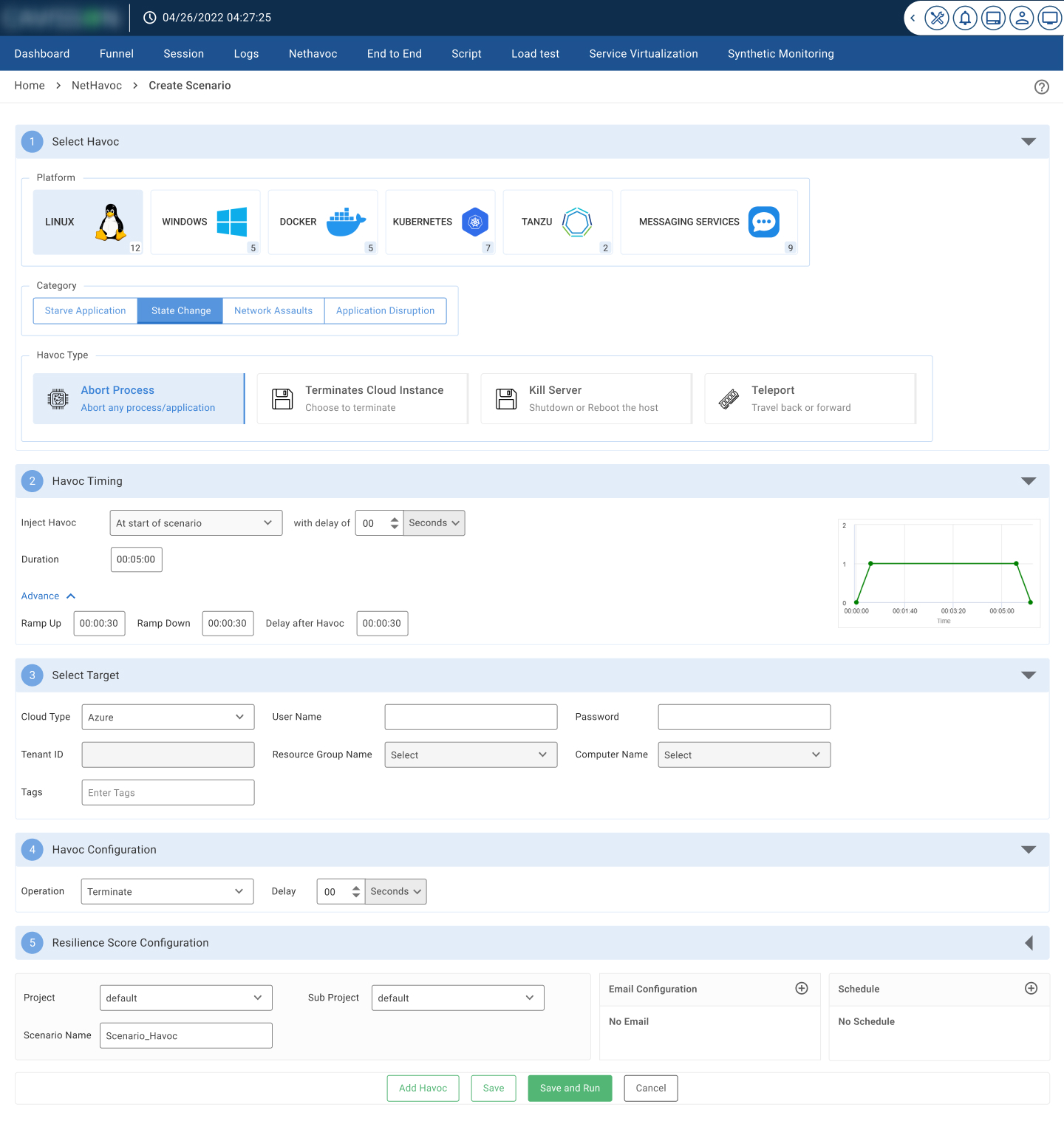
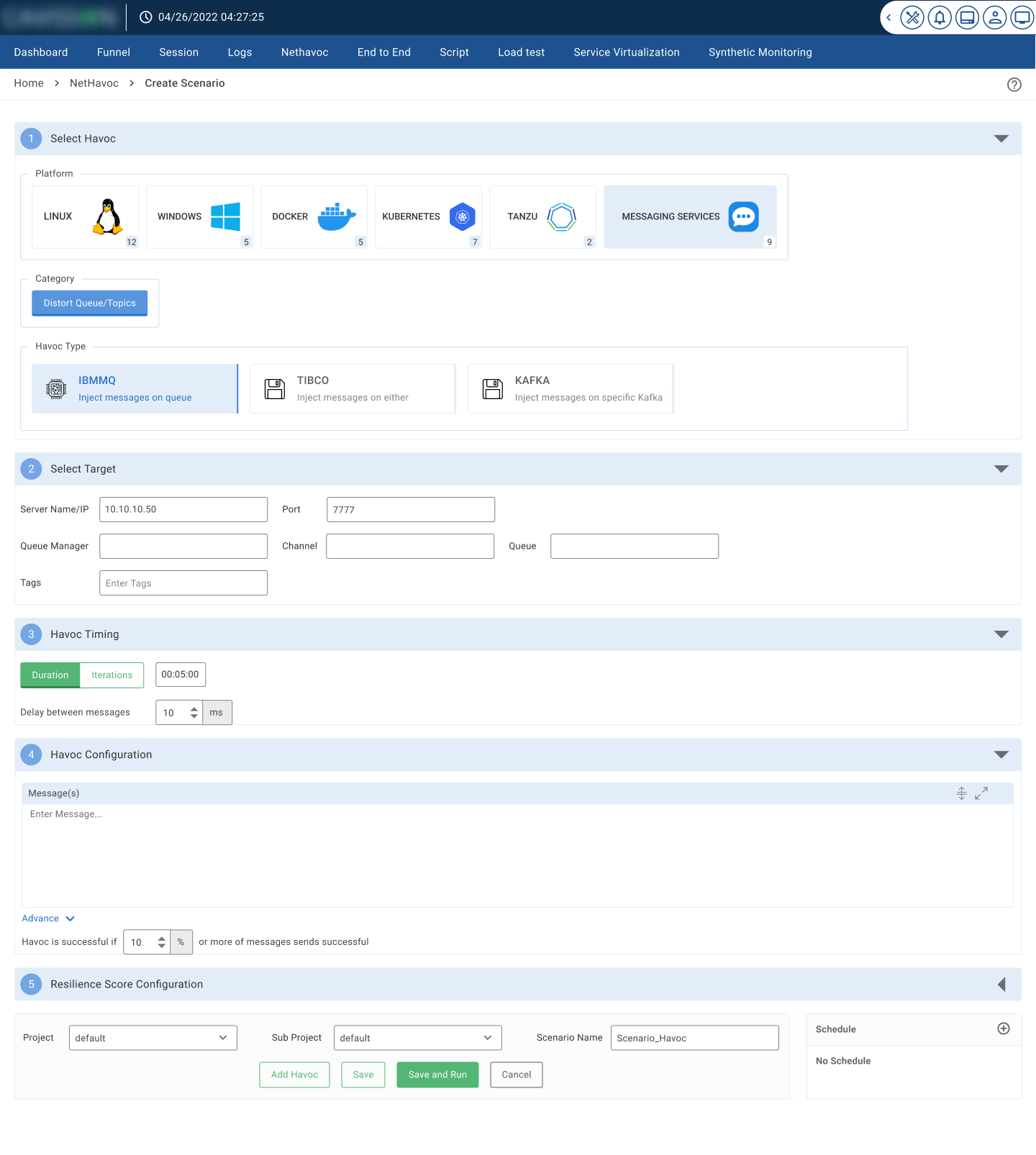
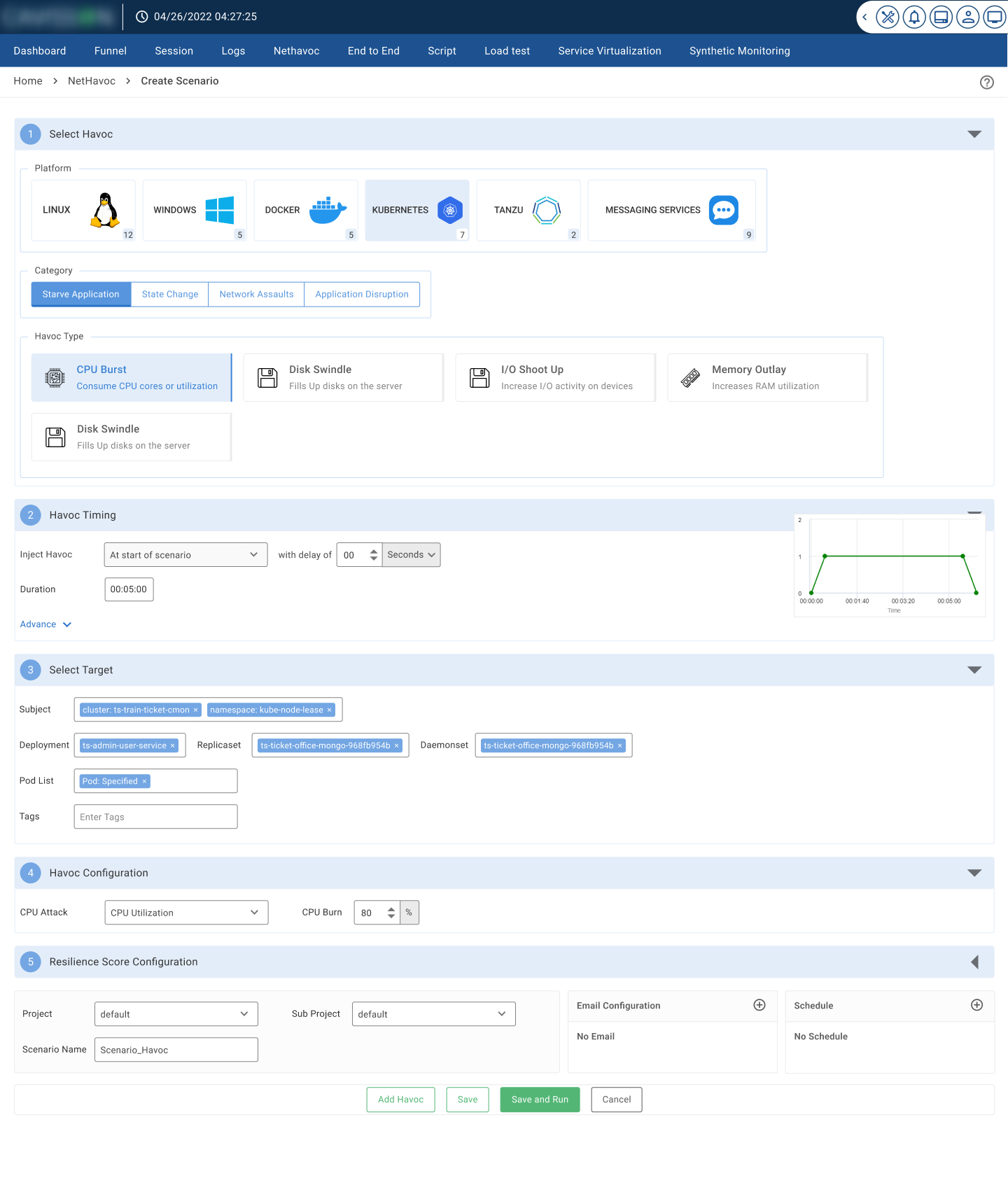
  • Designed a modular, step-based layout to simplify configuration of chaos experiments.
  • Created visual consistency across categories (Starve Application, Network Assault, State Change, Application Disruption).
  • Introduced clear visual hierarchy with minimal color palette and interactive focus states.
  • Added contextual help, hover tooltips, and field validations to reduce setup errors.
  • Simplified platform selection (Linux, Docker, Kubernetes, Windows, Tanzu) with recognizable icons for quick scanning.

Impact

  • Clear visual grouping made it easy to follow each step of configuration.
  • Introduced minimal, modern UI with consistent spacing, typography, and alignment.
  • Reduced user setup time by 40% and configuration errors by 30%.
  • Improved adoption and user confidence through structured flow and feedback mechanisms.

Outcome

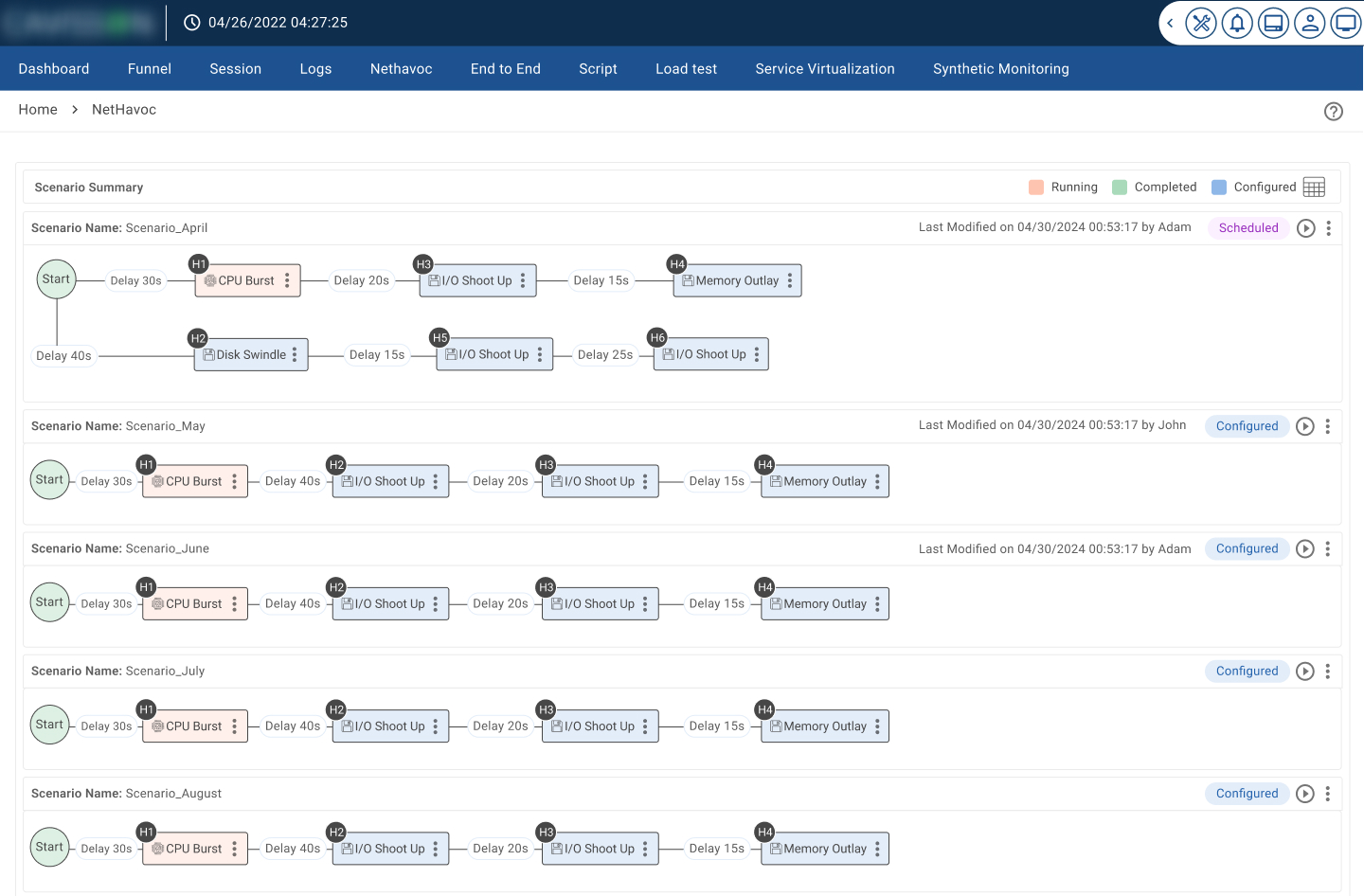
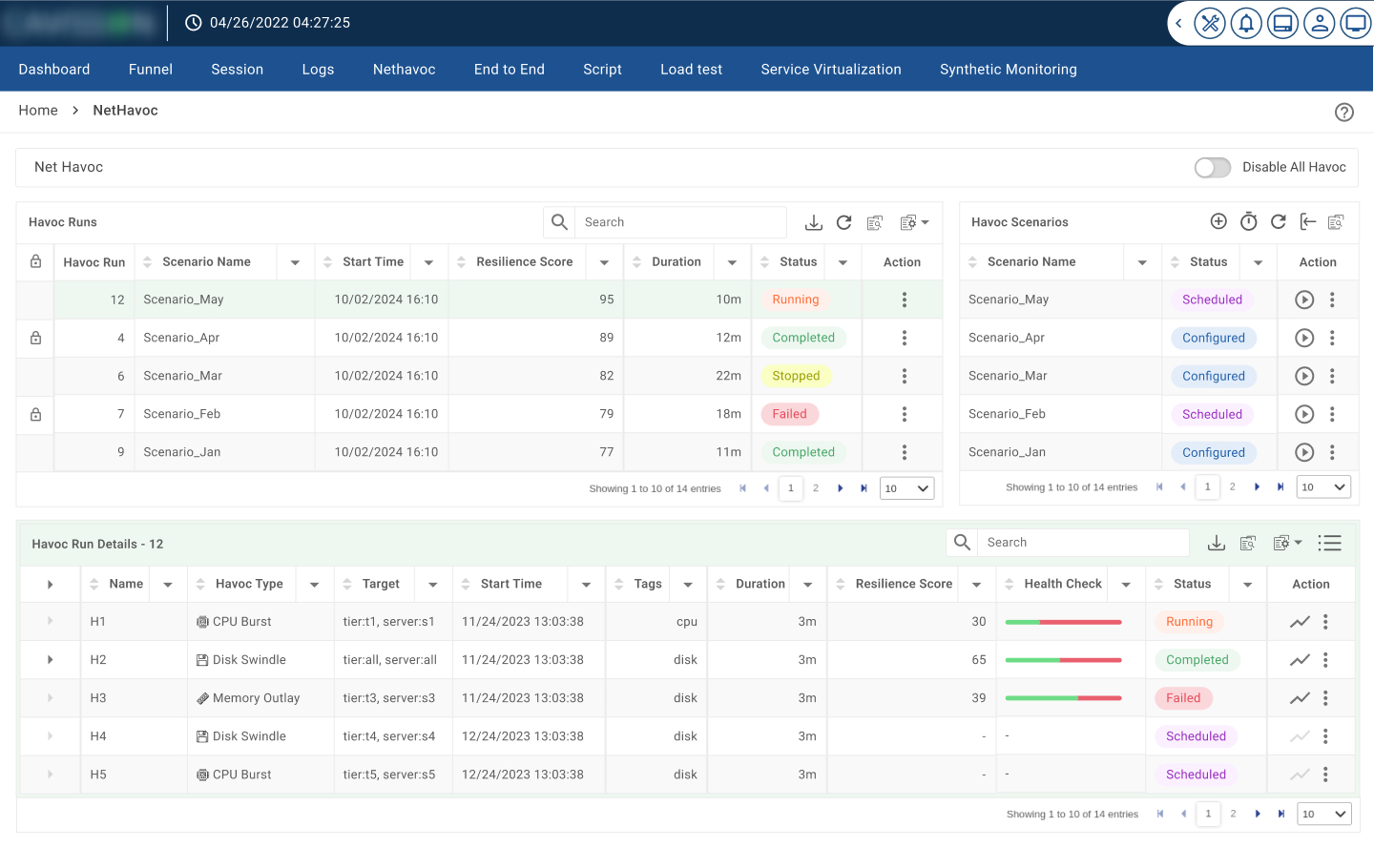
The redesigned Inject Havoc Dashboard shifted from a technical configuration panel to a guided, user-centered experience that empowers engineers to simulate failures with clarity and confidence — all while maintaining the depth and flexibility required for enterprise-scale chaos testing.
Important Screens